I’m Jill Wilson—a writer, advocate, artist, graduate social work student, recovering corporate executive, and curious observer of the many ways life resists our attempts to organize it into a sensible narrative.
I’m drawn to the places where identity, experience, and systems collide: the stories we inherit about who we are supposed to be, the labels other people place on us, and the unexpected events that force us to reconsider all of it. My work tends to begin with a question, an inconsistency, or something that makes me tilt my head and think, That cannot possibly be the whole story.
Sometimes the result is a memoir. Sometimes it is an essay, a practical resource, an advocacy project, or a creative idea that refuses to stay in its assigned lane. Side-Eye Ink is where I give those ideas somewhere to live.
Writer, artist, advocate, and curious human
I am interested in serious subjects, but I am suspicious of solemnity for its own sake. I value hope, but not when it requires denial. I believe personal stories matter, but I also want to know which systems, assumptions, and cultural narratives shaped those stories in the first place.
Side-Eye Ink was created as a home for work that is candid without being cynical, thoughtful without taking itself too seriously, and useful without pretending to have all the answers. It is a place for books, essays, resources, art, advocacy, and the occasional observation about the general absurdity of being a person.
Why Side-Eye Ink?
A side-eye is not quite disbelief and not quite judgment. It is a pause. A closer look. A quiet acknowledgment that something about the explanation we have been given does not entirely add up.
That instinct runs through much of my work.
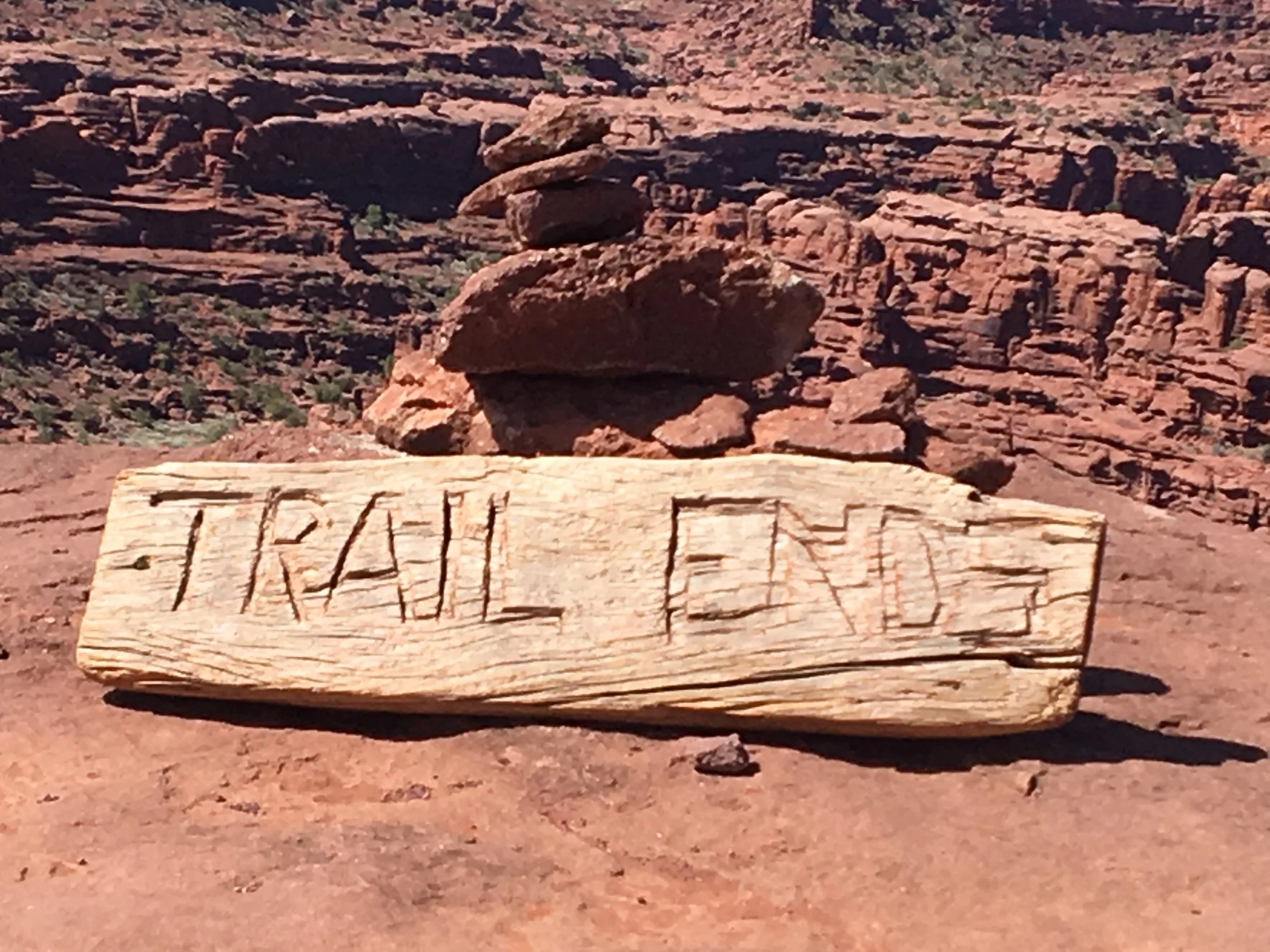
A life with a few plot twists
Before I became a writer, I spent more than two decades working in asset management and organizational leadership. That career taught me how to navigate complex systems, translate complicated information, ask inconvenient questions, and notice when the official process bears only a passing resemblance to what is actually happening.
Later, I returned to school to study health, human behavior, and social work. I became increasingly interested in the ways people experience healthcare, trauma, identity, public policy, and institutions that were supposedly designed to help them.
Cancer accelerated that education considerably.
My own experience included treatment, recurrence, reconstruction, survivorship, and a lengthy tour of the strange emotional and administrative landscape known as modern medicine. It also became the foundation for my memoir, Off My Chest.
Writing the book helped me understand that I was not only interested in documenting what happened. I wanted to examine the stories surrounding it: the expectation that patients remain inspirational, the assumption that suffering must produce wisdom, the pressure to feel grateful for survival while still grieving what was lost, and the tendency to reduce complicated human beings to diagnoses and treatment plans.
Those questions now extend far beyond cancer. I am interested in identity, belonging, medical trauma, gender, reinvention, human rights, care, and the often-messy distance between the lives people are expected to live and the lives they actually inhabit.
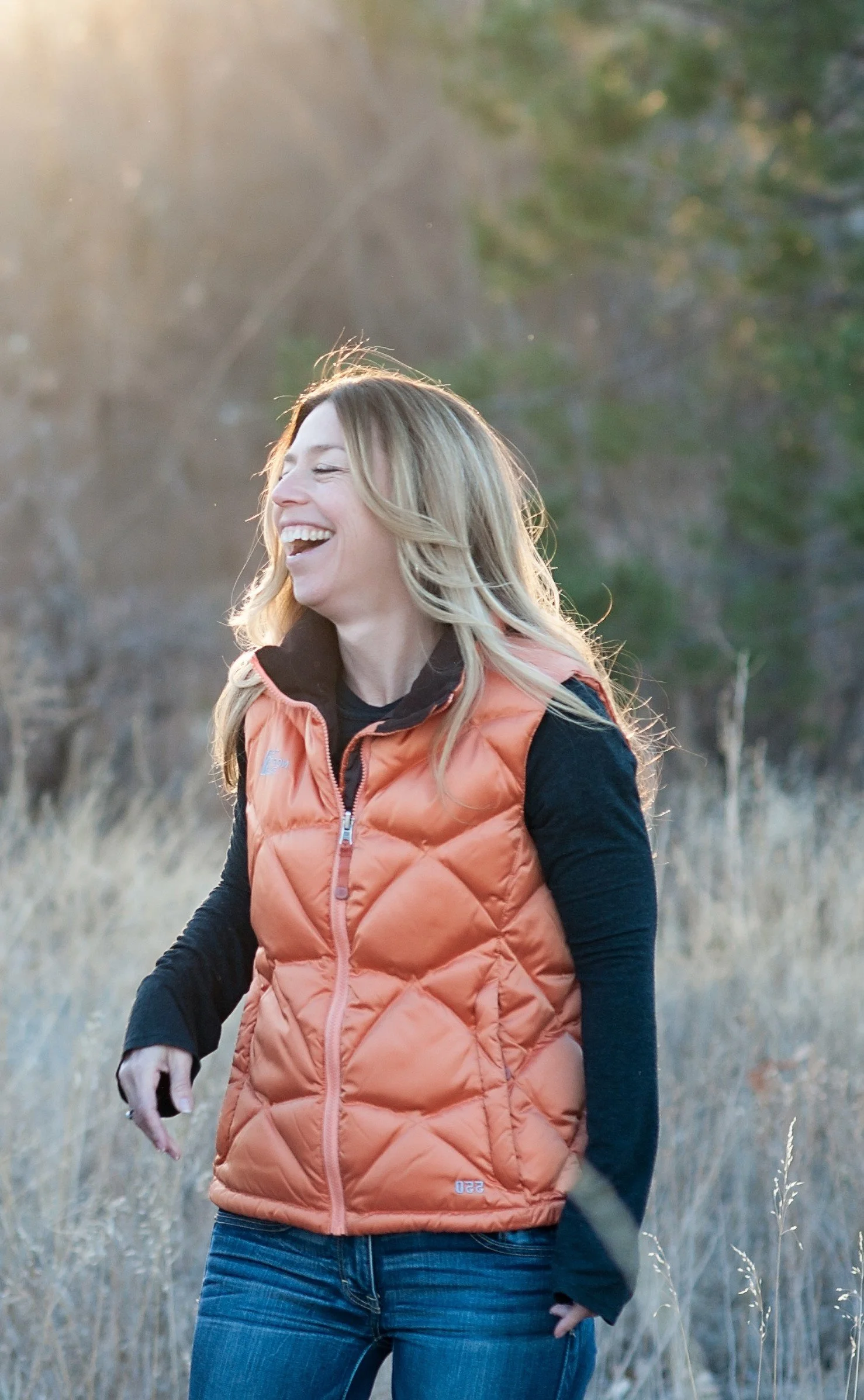
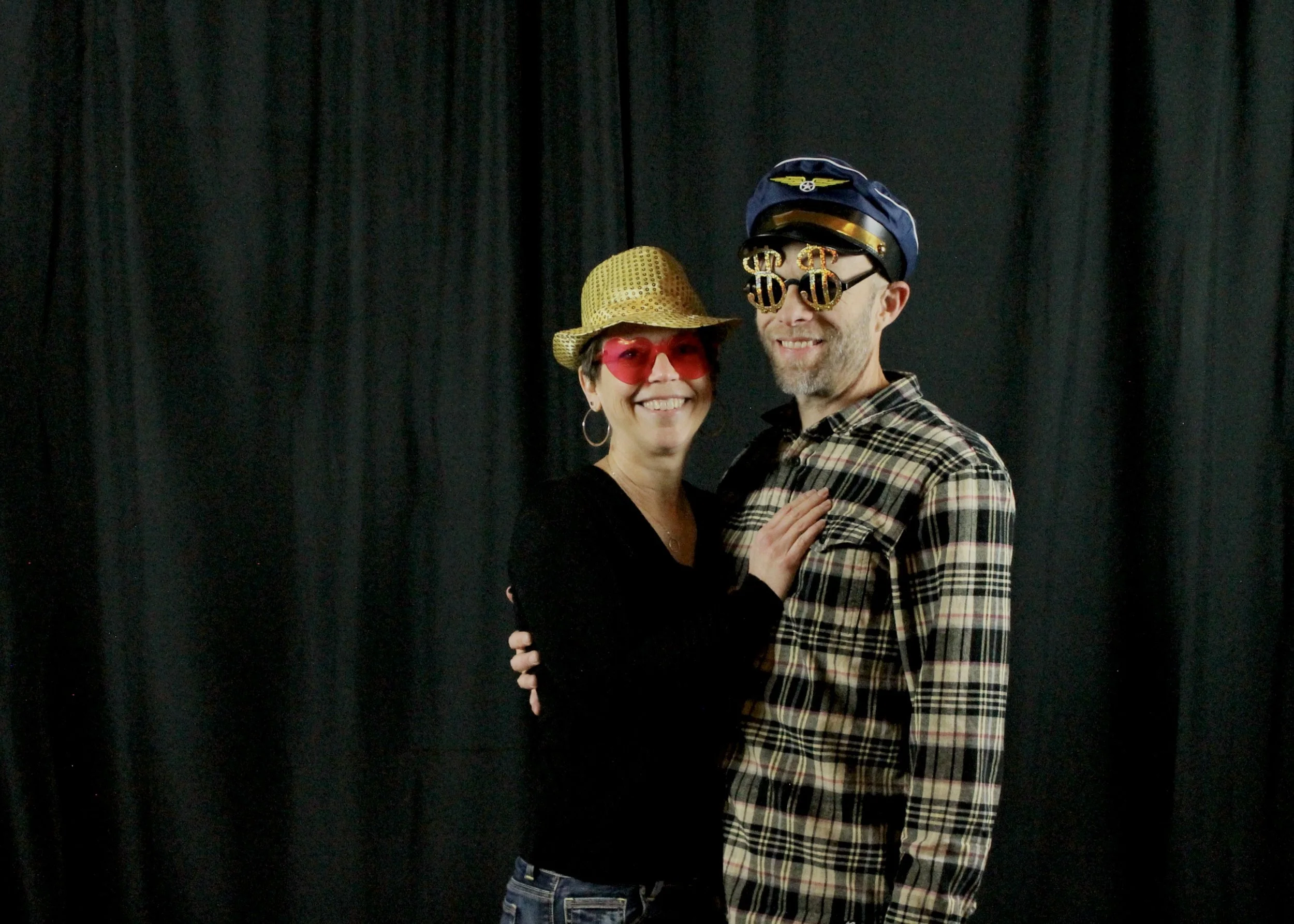
I live in Colorado with my husband, Scott, and am part of a large blended family that has taught me a great deal about love, logistics, and the limits of group-text communication.
I am happiest when I am hiking, working with clay, painting, reading, having a conversation that goes several layers deeper than expected, or starting a creative project before finishing the previous one. I care deeply about healthcare, human rights, thoughtful advocacy, and building systems that treat people as whole human beings.
I also believe that humor and seriousness are not opposites, that curiosity is often more useful than certainty, and that a raised eyebrow can be the beginning of a very good question.